The 26 Postures
A complete guide to the traditional hot yoga sequence.
A complete guide to the traditional hot yoga sequence.
The traditional hot yoga sequence consists of 26 postures and 2 breathing exercises, carefully designed to systematically work every part of your body. This fixed sequence, practiced in a heated room, allows students to track their progress over time while ensuring comprehensive physical development.
Understanding each posture's purpose and benefits deepens your practice and helps you approach each class with intention. Below is an overview of the complete sequence.
The class begins with standing deep breathing to prepare the mind for practice. This pranayama exercise establishes the breath awareness essential for the practice ahead.
This combined posture warms up the spine through lateral stretching and forward bending. Benefits include strengthening the abdominal muscles and improving flexibility of the spine.
A three-part posture that strengthens the legs, particularly the quadriceps, while improving balance and ankle flexibility. This challenging pose builds mental determination and lower body strength.
A balancing posture that opens the 14 largest joints in the body, improves balance, and strengthens the legs.
One of the most challenging balancing postures, developing concentration, patience, and determination while strengthening all the muscles of the standing leg.
A beautiful balancing backbend that develops concentration and balance.
A full-body stretch that works on balance and posture.
A deep forward fold that stretches the sciatic nerve and tendons of the legs.
A comprehensive posture that works muscles, joints and tendons throughout the body.
Stretches the legs and back.
A balancing posture that strengthens the ankle, knee, and hip joints while improving posture and balance.
An advanced balancing posture that develops psychological and mental powers while strengthening knees and ankles.
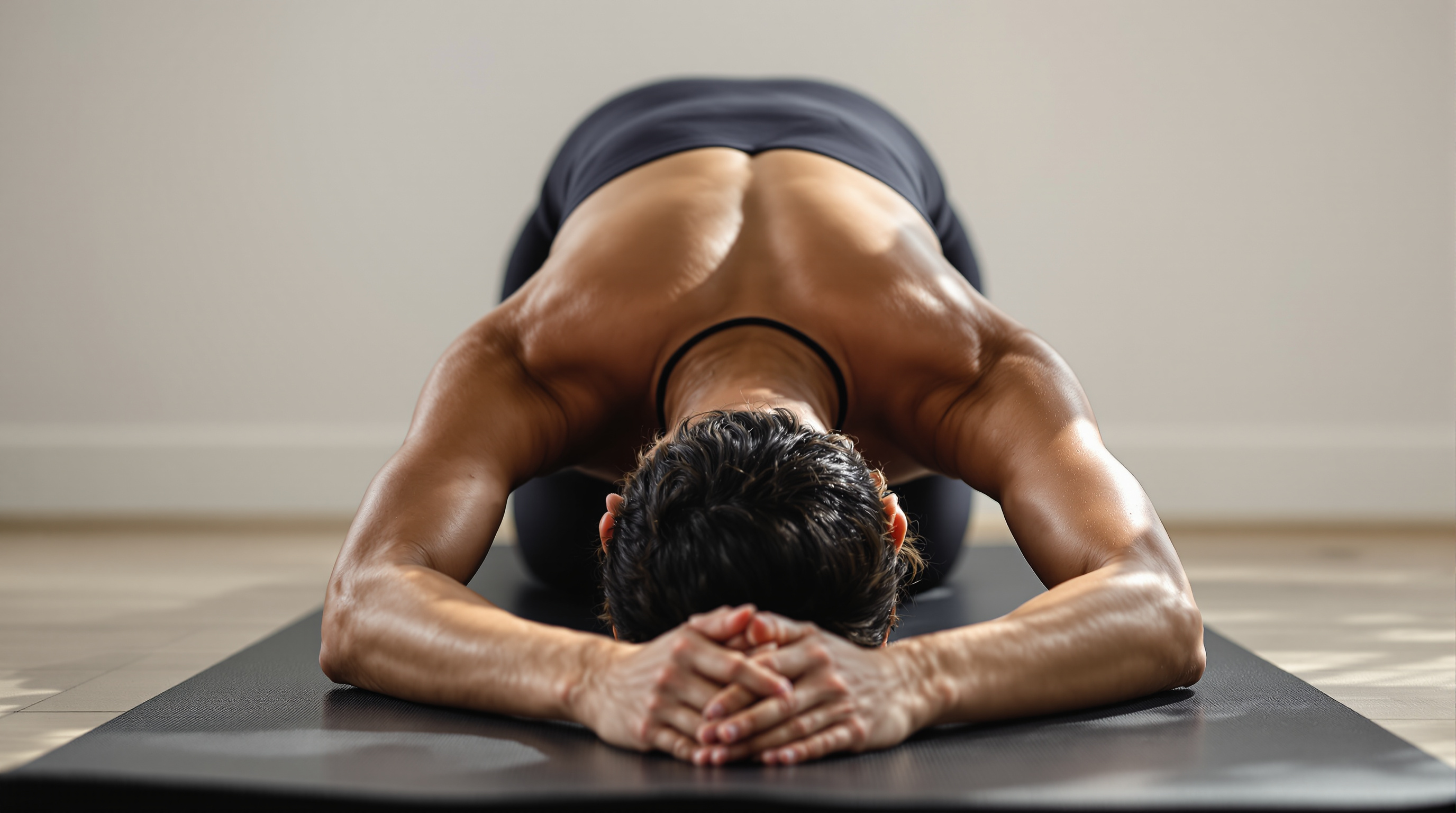
A crucial resting posture that follows the standing series and promotes relaxation. Harvard Health's account of relaxation techniques describes how controlled breathing helps quell the body's stress response, which is the settled state a long, still Savasana gives the practice time to reach.
A knees-to-chest posture that works on flexibility of the hip joints.
A transitional movement that strengthens the core while maintaining heat in the body.
Strengthens the muscles along the spine.
Strengthens the upper spine while firming the buttocks and hips.
The most cardiovascularly challenging posture, strengthening the middle spine.
Works the entire spine.
Stretches the quadriceps and ankles while strengthening the lower spine and improving flexibility of the lower back, hips, and knees.
A kneeling forward fold that stretches the spine.
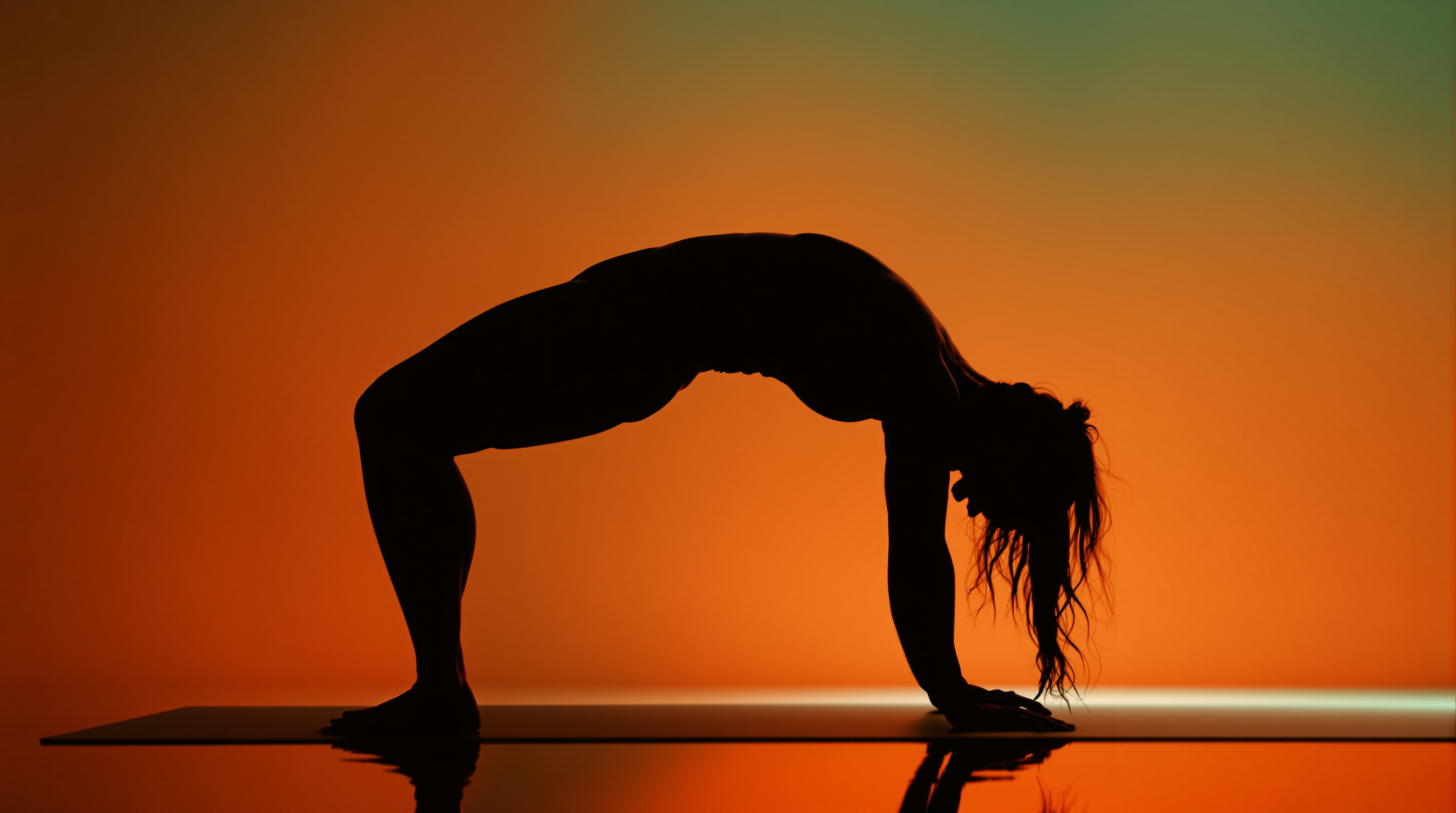
A deep backbend that stretches the entire front of the body while compressing the spine.
The counter-pose to Camel, providing maximum stretch of the spine and improving its mobility and elasticity.
A combination posture that stretches the sciatic nerve and improves flexibility of the last five vertebrae.
The only posture that twists the spine, improving its elasticity.
The class concludes with this breathing exercise, a series of quick, forceful exhalations driven by the abdominal muscles.
The ordering of the 26 postures is deliberate, not arbitrary. The sequence begins with standing postures that build heat and engage the largest muscle groups, then transitions to the floor series where deeper stretches and spinal work become possible with a thoroughly warmed body. Each posture is meant to prepare the body for the one that follows, which is why instructors are trained to preserve the sequence precisely as designed.
The 2025 systematic review in Sports Medicine - Open describes the 26-posture sequence as 26/2: 26 fixed postures and two breathing exercises, each repeated twice in a 90-minute session at about 40 °C and 40% humidity. Those details describe the format studied, rather than a requirement to complete every repetition regardless of how the heat feels.
The review contrasts this fixed format with contemporary heated styles that allow free selection of poses, are typically shorter, and use rooms around 25-40 °C. Sequence, duration and temperature therefore belong together when comparing formats. The research guide explains why the class studied matters when reading a finding.
Ready to try these postures? See how class times are usually arranged, or learn how to prepare for your first class.
A traditional class takes you through all 26 postures in one 90-minute session.
Class Times Guide